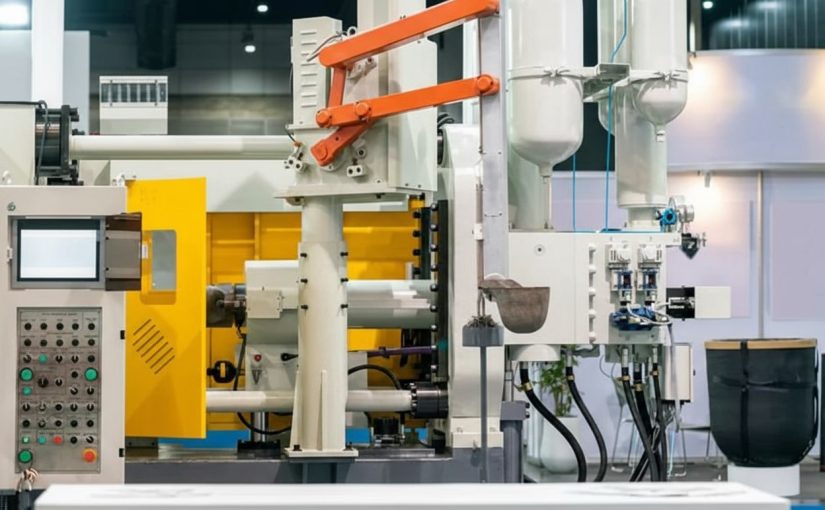
Enhanced Tool life and Optimum Tool Cost in HPDC – The Bombay Metrics Way

High Pressure Die Casting (HPDC) comes ahead as one of the most dependable and fast production
processes for manufacturing high-volume metal components that are net-shaped and maintain tight tolerances at an
affordable cost. The process involves injecting molten metal alloy under high pressure into a precision die to
achieve accurate and repeatable results.

At Bombay Metrics, we have built our reputation on mastering both Hot and Cold Chamber Die
Casting
. This dual expertise allows us to offer an unparalleled range of solutions—whether for small
intricate parts or large structural components—ensuring each client receives the ideal process for their specific
needs.

6 Pillars That Drive Precision in HPDC

  • Wall Thickness: Refers to the thickness of the metal walls that form the part. It is a key
    design factor that directly impacts metal flow and solidification.
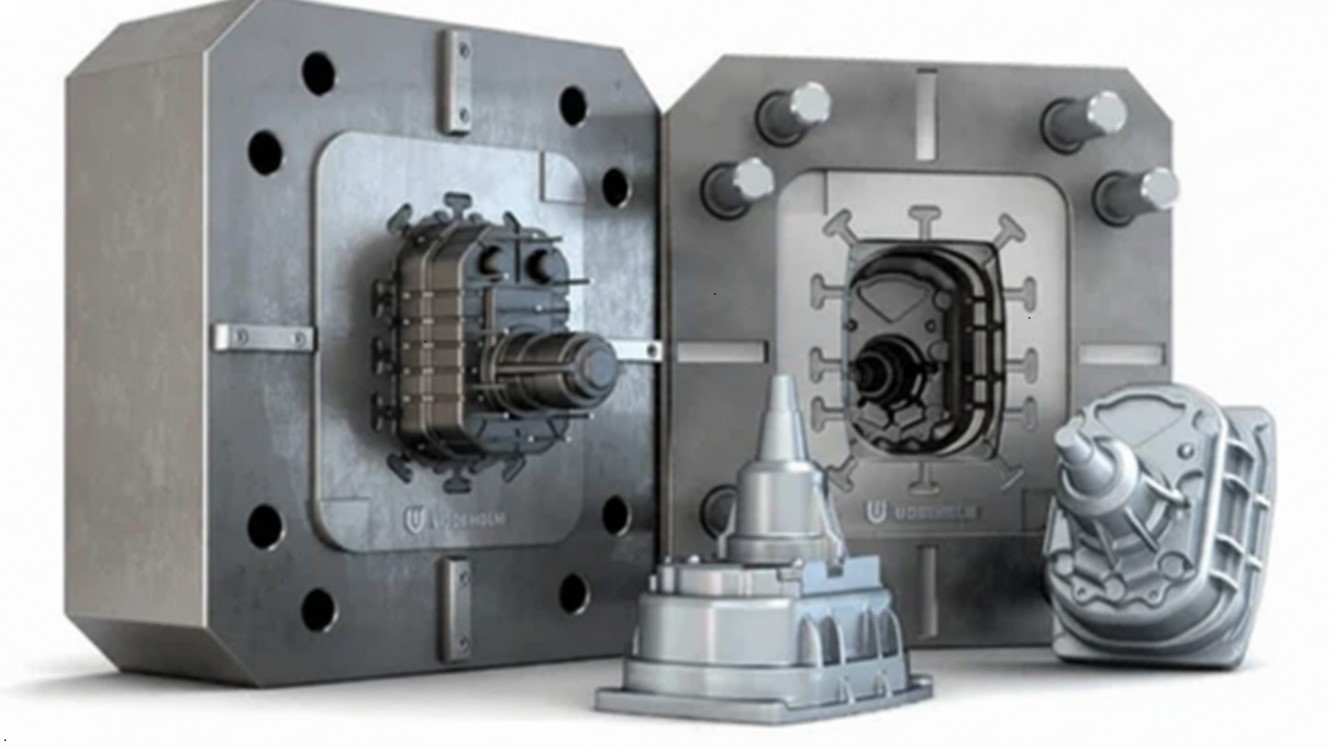
  • Parting Line: The line or surface where the two halves of the die (cover die half and
    ejector die half) meet. It defines the separation point of the mold cavity.
  • Draft Analysis: Ensures smooth part ejection without sticking, tearing, or damaging the
    surface. At Bombay Metrics, draft angles are systematically analyzed for optimal results.
  • Holes and Windows: Properly designed holes and windows serve as ventilation, drainage, or
    integration points. We ensure accurate diameter, depth, and location to prevent defects or functional
    issues.
  • Ribs: Designed carefully to provide rigidity and strength without adding excess weight or
    cost. Ribs enhance structural performance and reduce distortion.
  • Fillet Radii: The rounded curve at the intersection of two walls helps avoid sharp corners,
    improving both performance and flow characteristics.

The Essential External Processes That Make HPDC Successful

At Bombay Metrics, tonnage calculation is carefully applied to:

  • Select the right HPDC machine (e.g., 250T, 400T, 800T, 1200T) based on part size.
  • Formula: Clamping Force = (Overall Projected Area × Specific Injection Pressure × Factor of
    Safety) / 1000
  • Prevent defects such as flashing, short filling, or dimensional inaccuracy.
  • Optimize machine utilization by avoiding under-tonnage (leakage risk) or over-tonnage (higher energy cost).
  • Ensure consistent quality for automotive, aerospace, and industrial aluminum components.

Bombay Metrics uses simulation tools and DFM analysis to calculate accurate tonnage requirements
before production begins—ensuring efficiency, precision, and consistent quality.

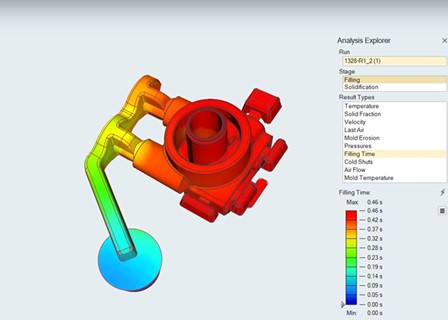
Flow Simulation

At Bombay Metrics, the flow simulation tool is an integral part of the Design for Manufacturability
(DFM)
stage. It is used to:

  • Validate die design before tool manufacturing.
  • Optimize injection parameters such as temperature, velocity, and pressure.
  • Reduce rejections by predicting potential issues early in the design phase.
  • Ensure cost-effectiveness by minimizing material waste and tool rework.
  • Collaborate transparently with clients by sharing simulation reports to build confidence in product quality.

By combining simulation technology with real-world expertise, Bombay Metrics
ensures that every aluminum die-cast component meets global standards of quality, reliability, and performance.
Working of 5 Axis screw Machining | Bombay Metrics

Die Design Process to Meet Market Trends

  • Optimized Design: Collaboration with clients ensures that each design is compact, sturdy,
    and cost-effective, fulfilling functional requirements within target timelines.
  • Enhanced Manufacturability (DFM Integration): Potential risks in tool and product
    manufacturing are identified and mitigated before launch.
  • Optimized Flow and Thermal Management: Advanced simulations help achieve the best gating,
    runner, and cooling system for consistent quality.
  • Advanced Engineering Tools: Use of CAD/CAM and simulation software enables highly precise
    die modeling and performance prediction.
  • Flexible Volume Production Readiness: Dies are designed for durability and repeatability,
    supporting scalable manufacturing with minimal downtime.
  • Precision and Global Quality Compliance: Our products meet stringent global standards
    across sectors like automotive, aerospace, lighting, e-mobility, and energy.
Working of 5 Axis screw Machining | Bombay Metrics

Comprehensive Solutions and Technical Support by Bombay Metrics

At Bombay Metrics, we go beyond manufacturing by providing value-added support in tool
development and tool life management
. To meet diverse client needs, we offer flexible options balancing
cost, durability, and production requirements:

  • 25K Shots: Economical option ideal for low-to-medium production volumes.
  • 50K Shots: Balanced solution offering extended tool life for consistent, medium-scale
    production.
  • 100K Shots: Premium solution designed for long-term, high-volume production with maximum
    durability and efficiency.

By offering these tailored options, we help customers choose the most cost-effective tooling
solution
aligned with their production goals — ensuring optimized investment, longer tool performance,
and improved profitability.

“Bombay Metrics provides end-to-end flexibility, ensuring clients get the most suitable
manufacturing solution for their material, design, and performance requirements. With our commitment to
global quality standards, sustainable manufacturing, and customer-focused innovation, we deliver parts that
combine strength, precision, and efficiency — meeting business needs for Pressure Die Casting Dies on time,
every time.”
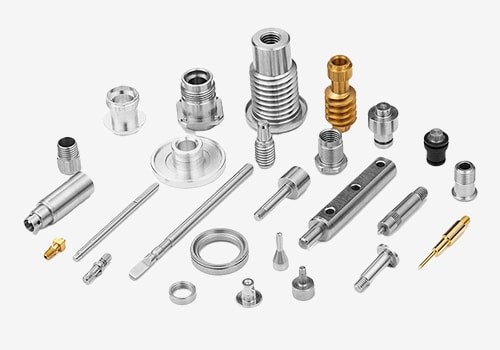
Exploring the capabilities of 5-Axis Swiss screw machining

Precision Redefined: Exploring the Capabilities of 5-Axis Swiss Screw Machining

Multi-Spindle Swiss Screw Machining is one of the most reliable and precise methods for manufacturing small, intricate, and high-volume components.
Originally developed for producing screws, this process has evolved to support multiple industries, including the automotive and industrial equipment sectors.

It is a traditional machining method used for decades to produce high-precision parts.
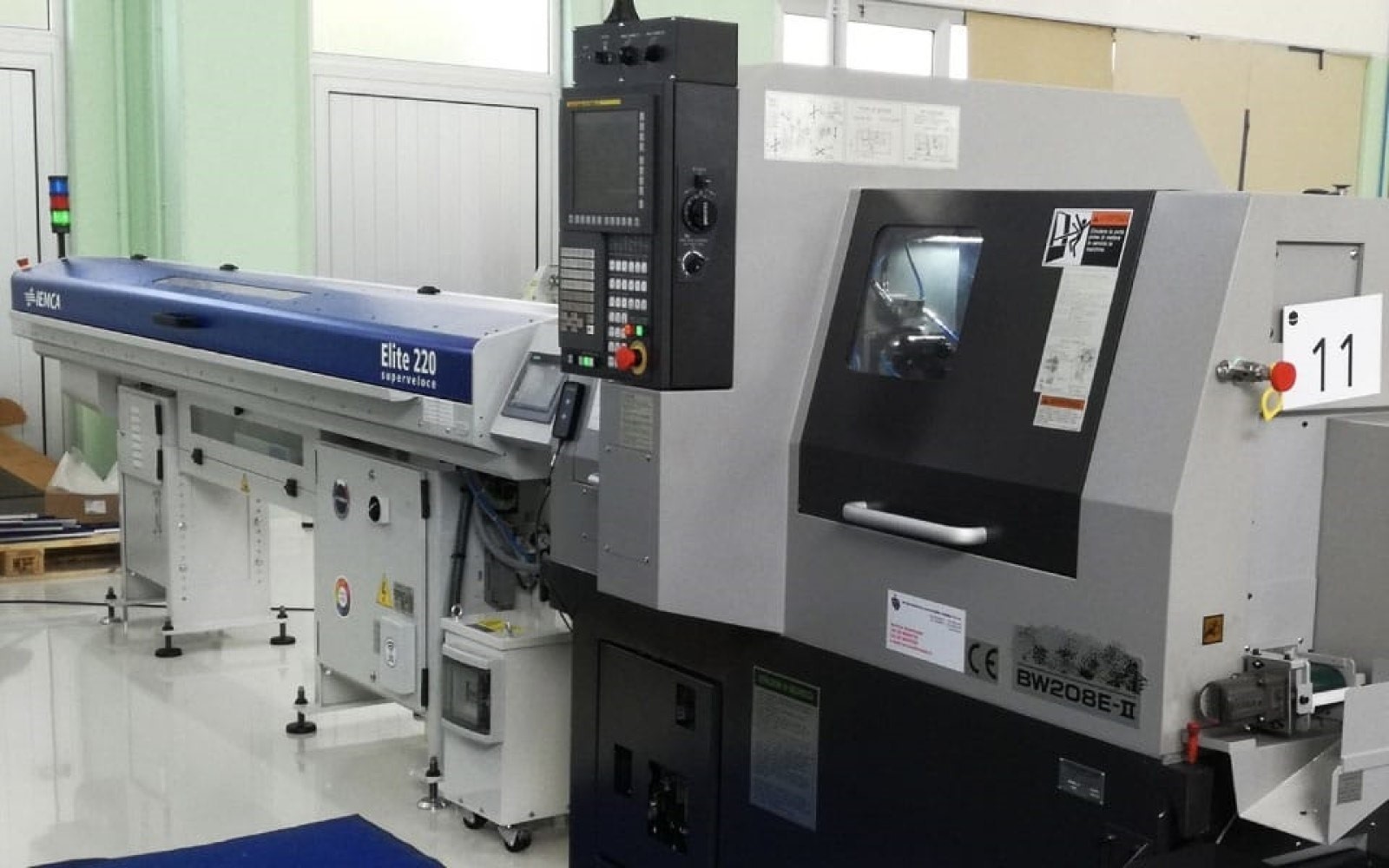
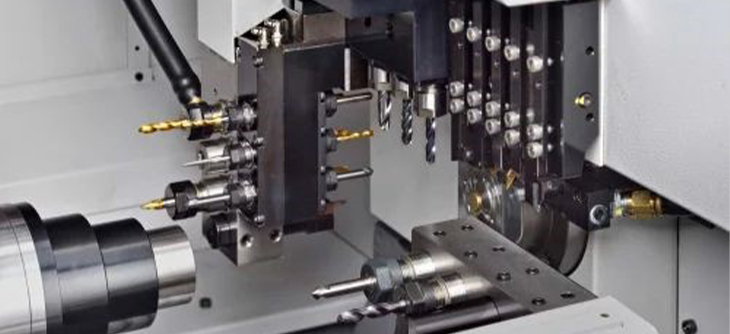
The process involves a screw machine — a multi-spindle automatic lathe — that produces parts using precision cutting tools.

Bombay Metrics has advanced machining capacities, featuring 5-Axis and Multi-Spindle machines such as Tsugami and Citizen systems.
These machines are ideal for producing high volumes of small, simple parts that demand close tolerances.
The process is both fast and efficient, making it a highly cost-effective solution for large-scale production runs.

Working of 5 Axis screw Machining | Bombay Metrics

Simplified Working of 5-Axis Screw Machining

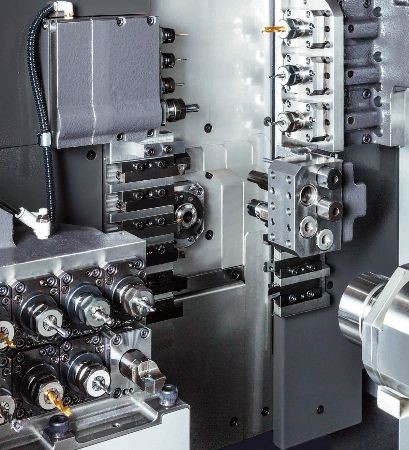
  • Bar Stock Loading: The machine loads bar stock and clamps it on the rotary slide. The slide rotates the bar on one or more axes during the tooling process.
  • Tooling: The workpiece moves along the rotary axis while tools such as drills, taps, and threaders operate simultaneously on multiple spindles. These tools mold the stock through thread grinding, rolling, milling, and deburring, ensuring exceptional precision and repeatability.
  • Secondary Finishing: Depending on the application, secondary processes like coating, plating, lapping, and heat treatment are applied to enhance performance and longevity.


Right Process for Right Parts

Machine Type Precision Volume Application
Single-Spindle High precision Low to medium Precision fasteners, connectors, and specialized fittings
Multi-Spindle High precision and repeatability High Low-complexity, high-volume precision components
Swiss Screw Extremely high precision Low to medium Small, intricate parts requiring extreme precision
CNC Screw High precision Medium to high (complex components) Flexible machining for both simple and complex parts


Technical Advantages of Screw Machining Processes

  • Precision without the Guesswork: Screw machining enables production within extremely tight tolerances and high repeatability, ensuring reliability for critical industries.
  • Handles Complex Geometries: The process allows for intricate shapes and complex designs without complicated setups, thanks to CNC-driven automation.
  • High-Volume Efficiency: Systems are designed to monitor equipment and automatically replace worn tools, ensuring continuous operation and maximum uptime.
  • Cost-Effective Consistency: Perfect for scaling operations, screw machining delivers consistent, high-quality parts in large batches with lower per-part costs.


Bombay Metrics Core Capabilities in Screw Machining

  • Precision Engineering and Technology: Utilizing Swiss-type CNC screw machines and multi-axis machining centers, we produce screws, bolts, fasteners, and custom threaded components with tolerances as tight as ±0.001 inches.
  • Full-Range Machining for Custom Solutions: We support all major screw geometries — metric, imperial, specialty heads, and micro-parts — across materials such as stainless steel, aluminum, brass, copper, and alloys.
  • Engineering, Design, and Inspection: Our experts convert 2D drawings into optimized CAD or solid models, enhancing performance, manufacturability, and cost-effectiveness.
  • End-to-End Manufacturing Integration: Fully integrated global operations allow flexible production volumes, reliable sourcing, and just-in-time delivery for clients worldwide.


Innovation at Bombay Metrics

Innovation and Future-Ready at Bombay Metrics

  • Future-Ready Manufacturing: We embrace Industry 4.0 principles by integrating intelligent systems, data-driven monitoring, and predictive maintenance to enhance productivity and minimize downtime.
  • Customization and Flexibility: Our customer-centric approach delivers scalable solutions tailored to diverse industry requirements.
  • Sustainable Practices: By reducing waste, optimizing material usage, and implementing energy-efficient technologies, we align with sustainability goals while delivering high-value results.


“At Bombay Metrics, we go beyond traditional machining by combining advanced equipment, skilled expertise, and global quality practices.
With our focus on innovation, sustainable manufacturing, and customer-specific solutions, we deliver screw-machined components that meet the highest standards of performance.
Whatever the sector and the scale, Bombay Metrics stands as a trusted partner for reliable, world-class precision parts.”

Exploring Aluminium Forging Capabilities at Bombay Metrics

Forging the Future: Exploring Aluminium Forging Capabilities at Bombay Metrics

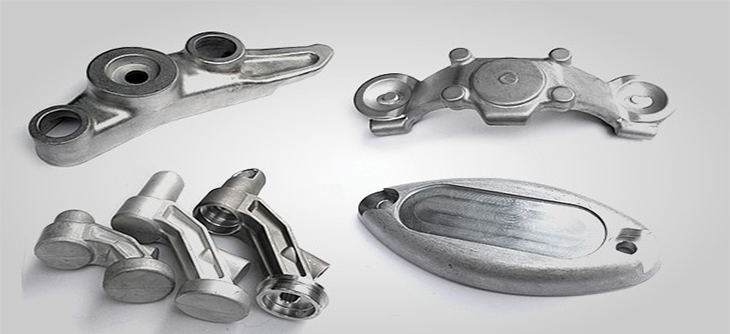
Aluminium Forging is a metalworking process that shapes aluminium alloys using compressive forces.
This process enhances the material’s properties by refining its internal grain structure, eliminating porosity, and aligning the grain flow with the part’s contour.
The result is a component with significantly improved mechanical properties compared to cast or machined parts,
particularly in terms of strength, toughness, and fatigue resistance.
Bombay Metrics is witnessing growing demand from the automotive and aerospace sectors for high-strength, lightweight components,
driven by the shift towards electric vehicles and fuel efficiency.

Advantages of Aluminium Forging

  • Surface Quality: Forging can produce a variety of surface finishes, including smooth surfaces and sharper serrations, making it versatile for different applications.
  • Dimensional Control: Forged parts can have tighter dimensional tolerances, especially for parts that have undergone subsequent machining.
  • Lightweight with Strength: Provides high mechanical strength while reducing overall weight.
  • Superior Grain Structure: Forging refines the grain flow for improved toughness, mechanical properties, and fatigue resistance.
  • Cost-Effective: Near-net shapes reduce machining and material wastage.
  • Versatility: Capable of producing both simple and highly complex geometries.


Powering the Future of Electric Mobility – Partnering with Bombay Metrics

  • Today, aluminium’s role extends far beyond traditional fuel-powered vehicles — it is rapidly transforming the landscape of electric mobility.
  • In EVs, where weight directly impacts driving range and efficiency, manufacturers are turning to materials that offer high strength without added mass.
    Aluminium fits this need perfectly, making it the material of choice for leading EV makers around the world.
  • At Bombay Metrics, we play a crucial role in this transformation by delivering high-precision forged aluminium components tailored for the evolving needs of the electric vehicle industry.
  • Our advanced manufacturing capabilities, combined with strict quality control and innovative engineering, enable us to support global OEMs and Tier-1 suppliers in achieving lighter, stronger, and more efficient vehicle designs.
  • Aluminium’s growing prominence in the automotive industry reflects a strategic response to changing consumer expectations, environmental goals, and the worldwide shift toward sustainable mobility.
  • With the electric vehicle market continuing to expand, Bombay Metrics remains committed to driving this evolution, reinforcing aluminium’s position as a key enabler of innovation and efficiency in modern automotive manufacturing.


Solutions from Bombay Metrics for Aluminium Forging

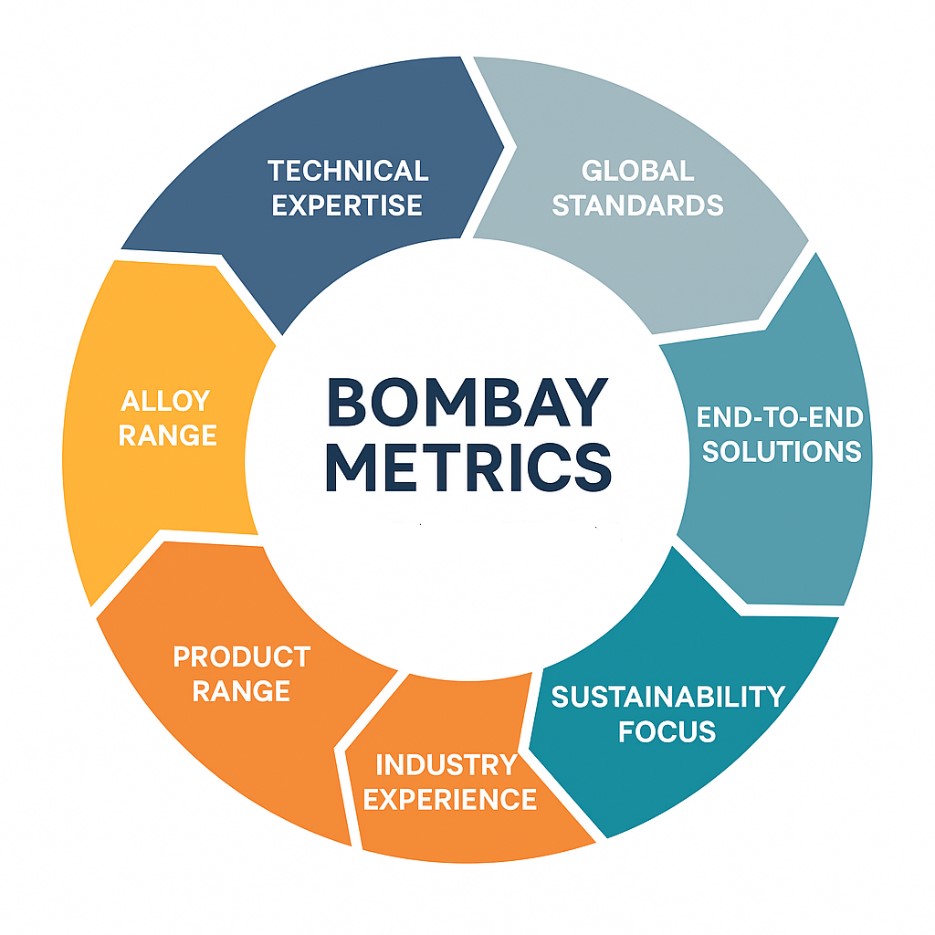
  • Technical Expertise: Proven capabilities in multiple forging processes tailored to client requirements.
  • Global Standards: Commitment to international quality certifications and testing protocols.
  • End-to-End Solutions: From design and prototyping to large-scale production, we provide comprehensive support.
  • Sustainability Focus: Aluminium forging processes designed to minimize waste and maximize efficiency.
  • Industry Experience: Trusted partner for automotive, aerospace, defense, marine, and industrial sectors.
  • Product Range: We have the capacity of supplying aluminium forgings from a few grams up to 15.0 kg.
  • Alloy Range: 5 Series, 6 Series, and 7 Series alloy forgings can be produced through the hot forge route.


Bombay Metrics delivers high-performance, precision-engineered aluminium forged components.
Our deep expertise and state-of-the-art facility allow us to specialize in advanced forging processes,
creating parts that meet the rigorous demands of automotive and industrial applications.

Our commitment to quality, innovation, and client collaboration ensures the transformation of raw aluminium into components
with superior mechanical properties and a perfect finish.

Core Competency at Bombay Metrics

  • Comprehensive Forging Techniques: We offer a full spectrum of aluminium forging processes—hot, warm, and cold forging—tailored to meet the unique needs of each project, from structural components to intricate custom parts.
  • Expert Die Engineering: Our in-house team designs and produces precision dies using advanced simulation tools, enabling optimal material flow, superior surface finish, and minimal post-processing.
  • Material Mastery: Expertise in selecting the right aluminium alloys ensures components with high strength, corrosion resistance, and lightweight benefits, enhancing product durability and safety.
  • Quality Assurance: Robust quality control protocols, “ISO 9001” certification, multi-stage inspections, and rigorous testing guarantee that every forged part meets or exceeds customer specifications.
  • Integrated Finishing Solutions: Machining, milling, and value-added finishing operations are seamlessly integrated, ensuring parts are ready for assembly or installation, with perfect tolerances and surface integrity.


“At Bombay Metrics, we provide end-to-end solutions, from design to production for effective transformation — mitigating the aligned risks that meet global standards while focusing on sustainability and efficiency.
This positions us as a trusted partner for industries seeking innovative forging capabilities to drive performance and growth.
By blending advanced technology, skillset, and a customer-centric approach, we stand out as a trusted partner for aluminium forging, offering reliability and innovation at every step.”