Exploring Aluminium Extrusion Capabilities at Bombay Metrics

Shaping Precision: Exploring Aluminium Extrusion Capabilities at Bombay Metrics

In today’s manufacturing world, where lightweight performance, strength, and sustainability define success, aluminum extrusion stands as a key process transforming raw billets into precision-engineered profiles used across industries.

At Bombay Metrics, we leverage advanced extrusion technology and engineering expertise to deliver aluminum solutions that meet global quality and dimensional standards.

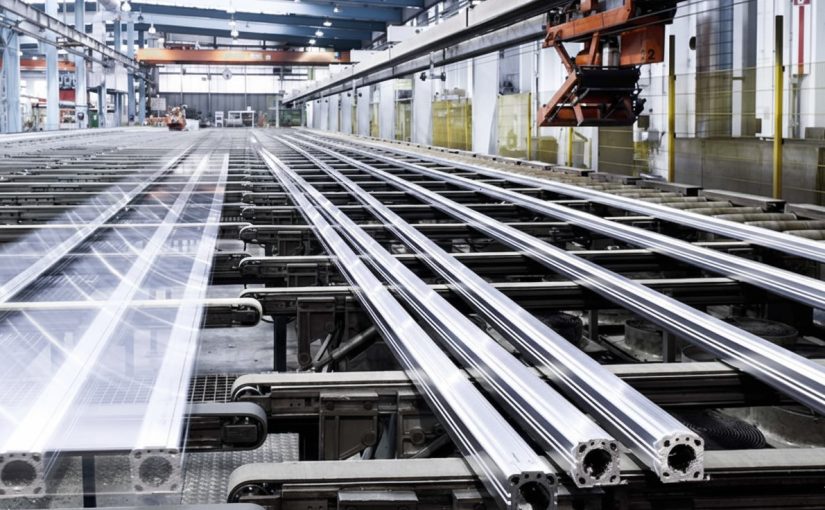
Aluminium extrusion is an advanced process that transforms aluminium billets into desired profiles. This process begins with heating the billets to a malleable temperature. The heated billets are then forced through a die using a powerful hydraulic press, creating long shapes with consistent cross-sections ranging from simple to complex geometries.

At Bombay Metrics, we focus on precision, repeatability, and performance in every extrusion. Our capabilities include:
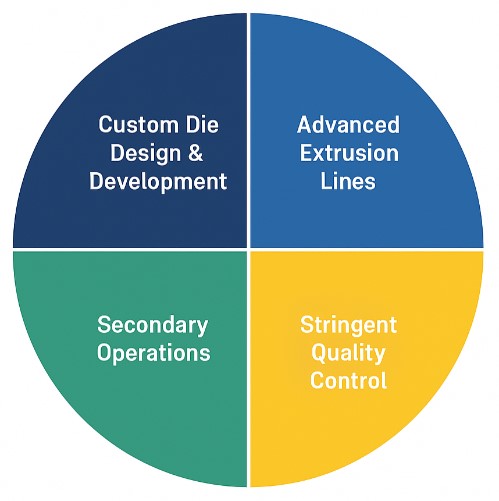
Aluminium Extrusion Capabilities at Bombay Metrics

Types of Aluminum Extrusion and Their Industrial Significance

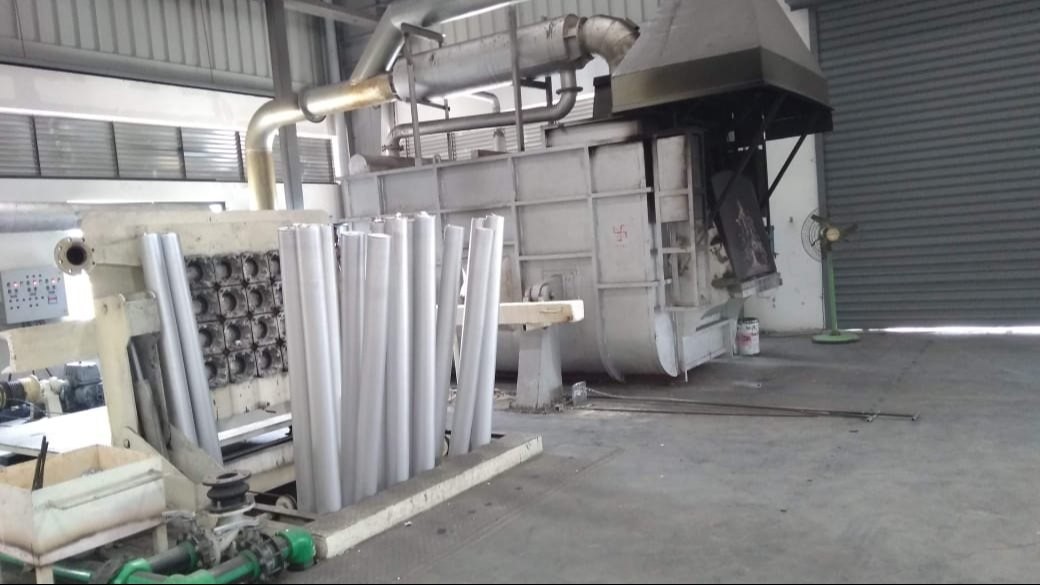
Horizontal Extrusion Press: Extrudes aluminum in a horizontal direction. Advantages include a simple structure, ease of operation, and maintenance. Disadvantages are a large floor space requirement and the impact of gravity on profile deformation.
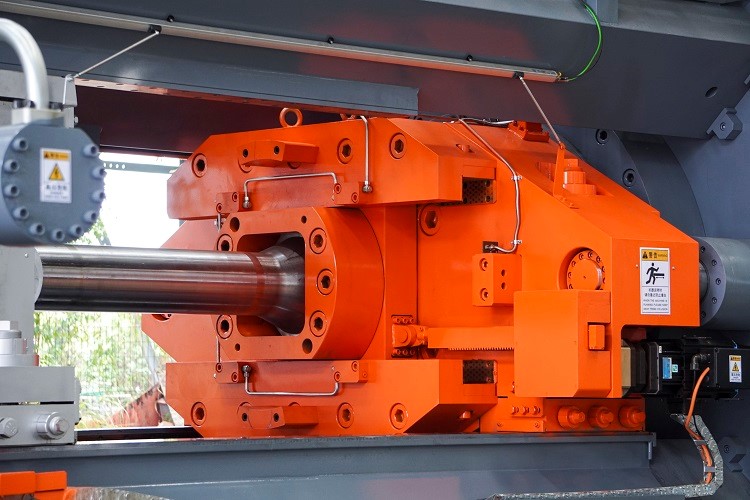
Aluminium Horizontal Extrusion Press at Bombay Metrics

Power Meets Precision – Understanding Tonnage and Capacity in Aluminum Extrusion at Bombay Metrics
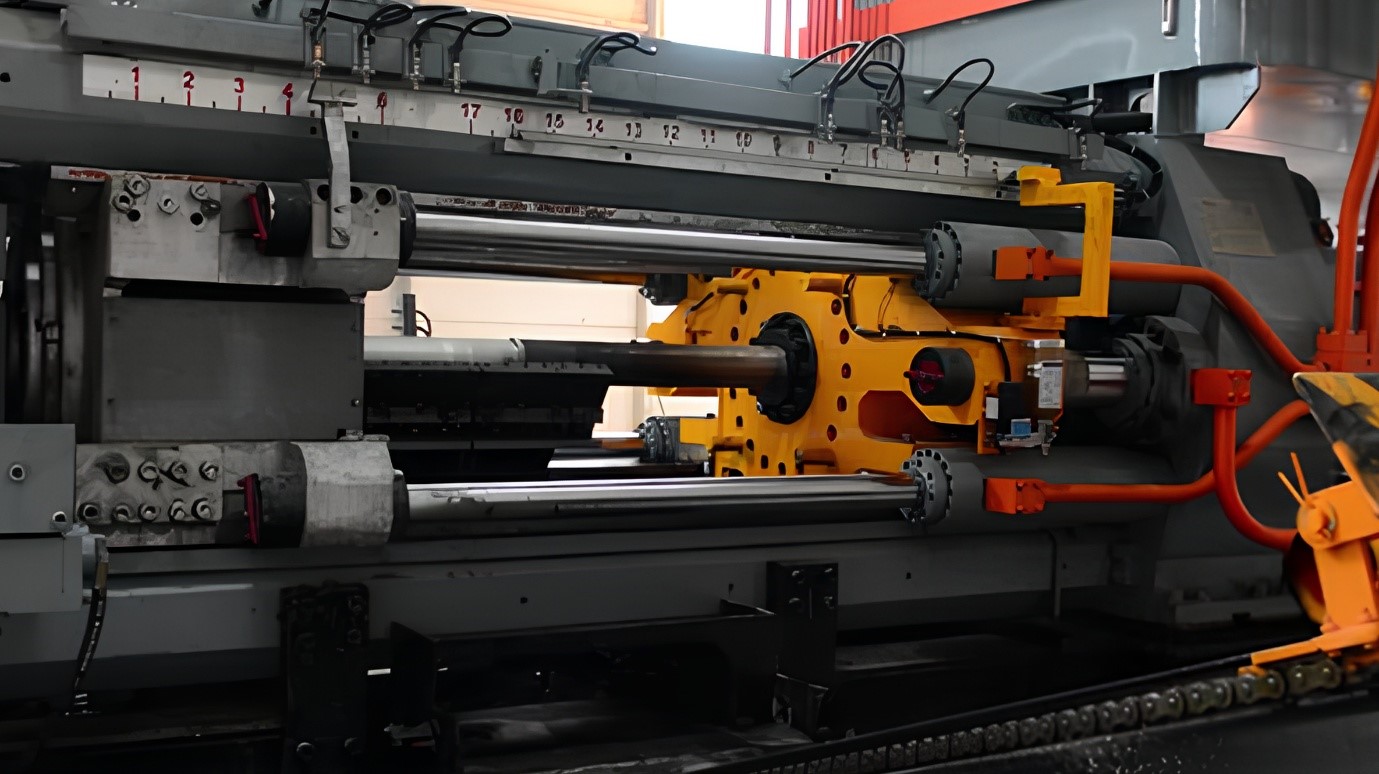
Aluminium Extrusion Capabilities at Bombay Metrics

At Bombay Metrics, we take pride in delivering high-quality aluminum extrusions that combine engineering precision with production efficiency. Central to this capability is our range of state-of-the-art aluminum extrusion machines, which operate across press tonnages from 400 to 3000 tons allowing us to handle a wide variety of profile sizes, shapes, and material grades.

  • Lower-tonnage presses (400–800T): Ideal for small, intricate, and thin-walled profiles requiring high accuracy and fine detailing.
  • Medium-tonnage presses (1000–2000T): Handle standard structural and industrial applications, balancing speed, precision, and strength.
  • High-tonnage presses (2500–3000T): Designed for large, heavy-duty profiles, including automotive frames, industrial structures, and aerospace-grade components.

At Bombay Metrics, our aluminum extrusion process is equipped to handle a wide range of profile dimensions, with extrusion capabilities supporting minimum thicknesses from 10 mm to 350 mm ensuring precision, consistency, and strength across every component we produce.
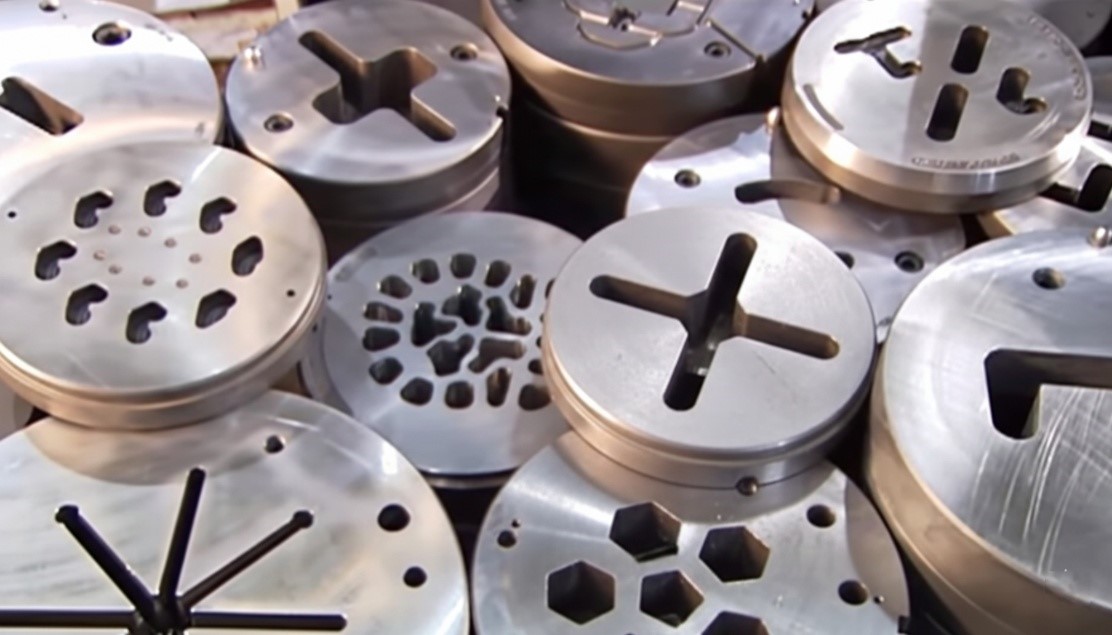
Aluminium Extrusion Capabilities at Bombay Metrics

In-House Die Manufacturing

Bombay Metrics’ dedicated tool rooms are equipped with precision CNCs, wire EDMs, and specialized surface finishing systems to create complex, high-tolerance dies as per global customer requirements. Their in-house die design and build capabilities enable:

  • Rapid development of new dies tailored for aluminum and other metals.
  • Customization for even the most intricate product geometries and tight tolerances.
  • Rigorous trial and validation, ensuring every die meets stringent production standards before release.

Through close collaboration with engineering and production teams, the company ensures seamless integration of the die into upstream and downstream processes, reducing lead times and increasing efficiency across the supply chain.

Die Maintenance & Lifecycle Management

Regular maintenance is critical to ensuring process reliability and consistent part quality. Bombay Metrics offers:

  • Preventive and predictive maintenance programs for all in-use dies.
  • In-situ reconditioning, polishing, and repair services to extend tool life.
  • Fast turnaround for modifications or urgent breakdowns.
  • Data-driven monitoring of wear patterns, enabling proactive interventions and minimized downtime.

Engineering Precision: Aluminum Alloy Applications in Extrusion Processes

Series 1100: Commercially pure aluminum known for excellent corrosion resistance, high thermal conductivity, and superior formability. Used in decorative components and heat exchanger tubes.
In-House Die Manufacturing at Bombay Metrics

Series 3003: Contains manganese as the major alloying element, offering improved strength while maintaining good corrosion resistance. Common in heat exchangers and air conditioning systems.

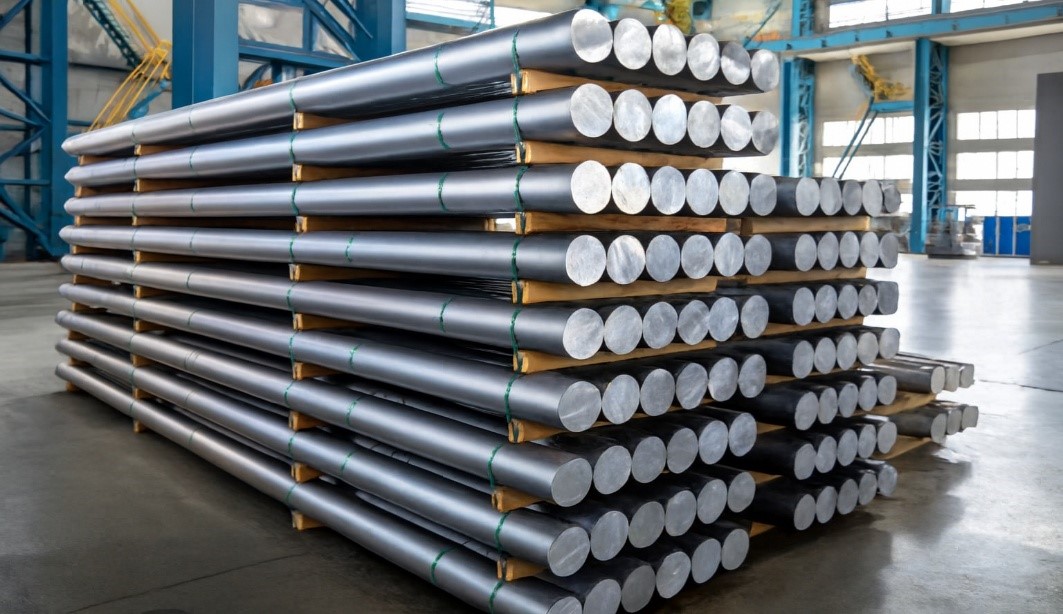
Series 6063: Favoured for its excellent surface finish, corrosion resistance, and extrusion characteristics. Ideal for ornamental and precision applications like window frames, trims, and thin-walled profiles.
In-House Die Manufacturing at Bombay Metrics

Series 6061: Stronger and more versatile than 6063, combining high strength, machinability, and weldability — used in transportation, machinery, and automotive industries.

Series 7004: A low-end 7000 series alloy that’s heat-treatable, easy to extrude, and has a high strength-to-weight ratio. Used in sports goods, bicycles, and motorcycles.

Alloys and Their Suitability for Straightening & Aging Heat Treatment

Straightening: All series can be straightened, but heat-treatable alloys (6061, 6063) offer the best balance between formability and mechanical strength after straightening.

Aging: A heat treatment process used to increase the strength and hardness of heat-treatable aluminum alloys (6000 and 7000 series). After extrusion or solution heat treatment, aluminum is either naturally aged at room temperature or artificially aged in a temperature-controlled oven.

Heat-Treatable Series: 6000 and 7000 (6061, 6063, 7004) respond well to solution treatment and aging (T5/T6 tempers).

Non-Heat-Treatable Series: 1000 and 3000 (1100, 3003) rely on cold working instead of heat treatment for strengthening.

From Extrusion to Perfection: Machining, Punching & Bending Capabilities

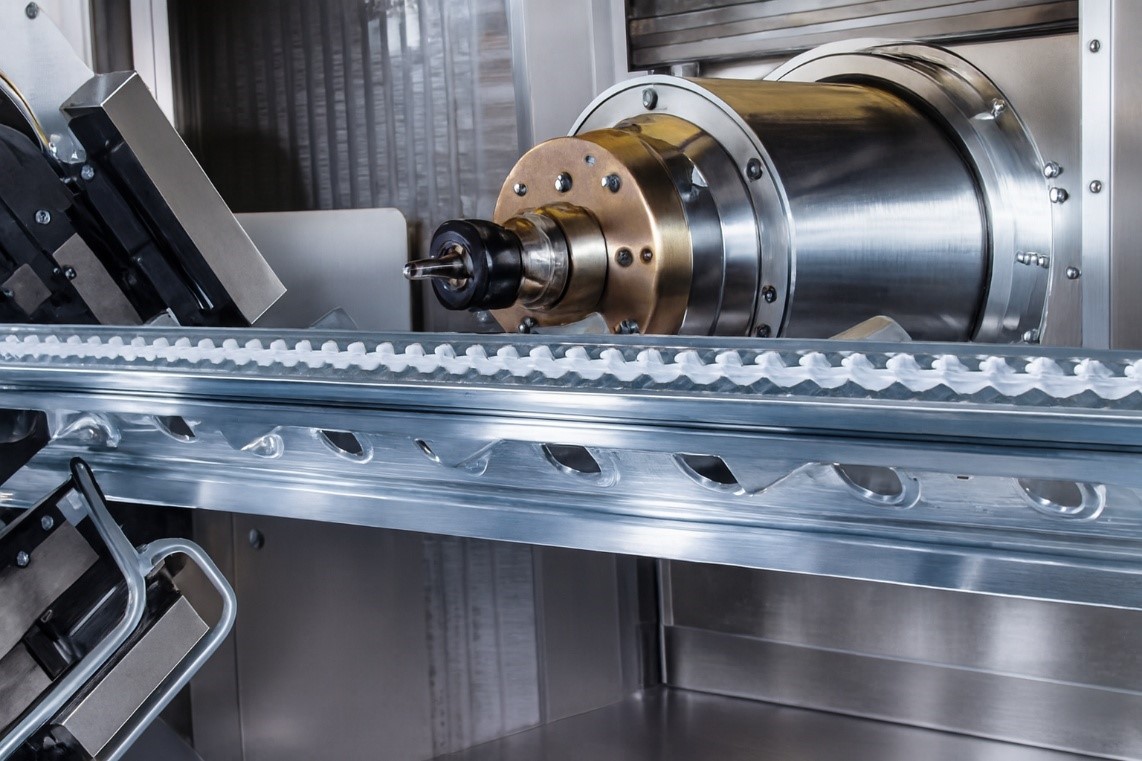
Machining: Our machining facilities are equipped with advanced CNC milling, turning, drilling, tapping, and cutting machines. By integrating machining directly after extrusion, we eliminate multiple handling stages and ensure superior dimensional accuracy and reduced production costs.
In-House Die Manufacturing at Bombay Metrics

Our quality control team inspects each component with precision measuring equipment to maintain strict adherence to global standards and customer specifications.

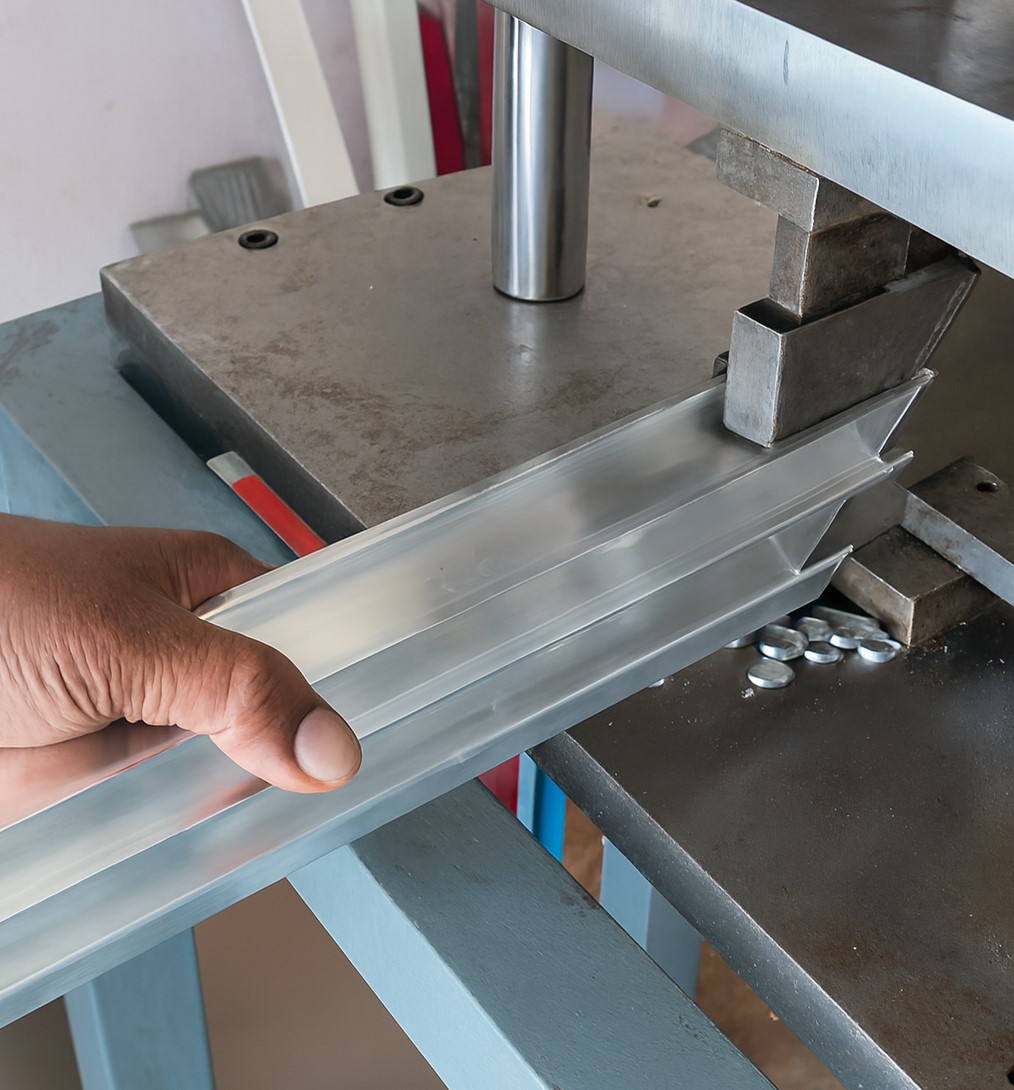
Punching: Our aluminum punching process shapes extruded profiles into assembly-ready components. Punching creates holes, slots, or cutouts using high-speed mechanical or hydraulic presses — vital for precise fitting or integration with other assemblies.
In-House Die Manufacturing at Bombay Metrics

Bending: Transforming straight aluminum extrusions into complex, performance-driven shapes. Our advanced CNC bending and roll-forming machines enable tight radii, consistent curvature, and distortion-free bends across alloys and profiles.
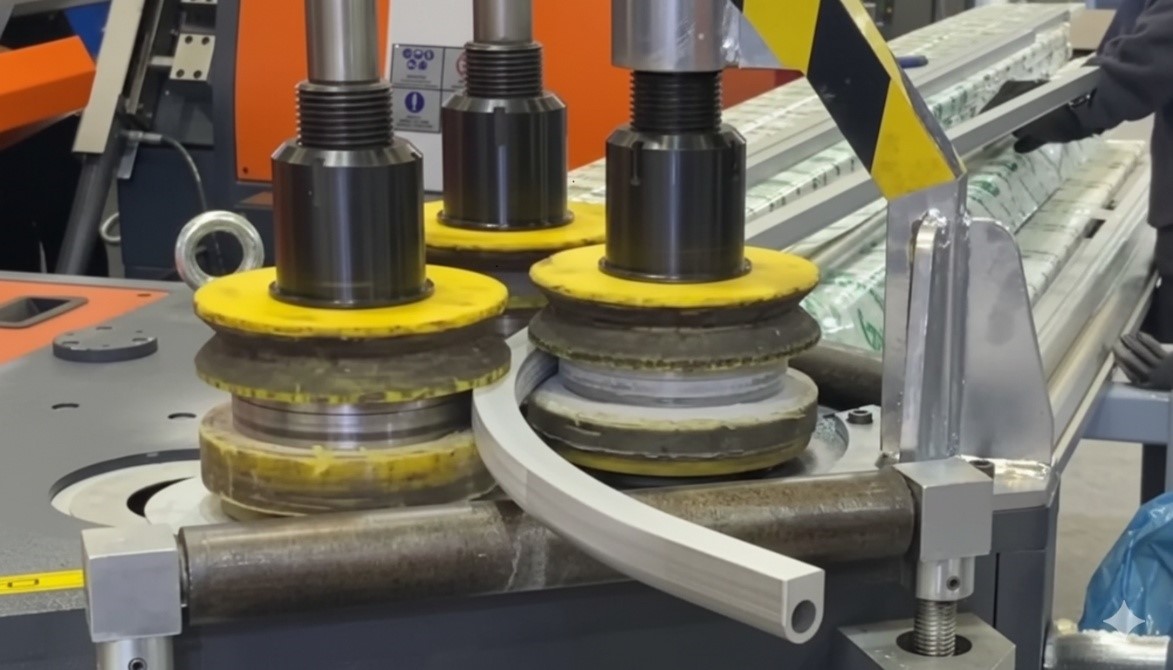
Machining and Bending Capabilities at Bombay Metrics

Transforming Alu Metals into Masterpieces
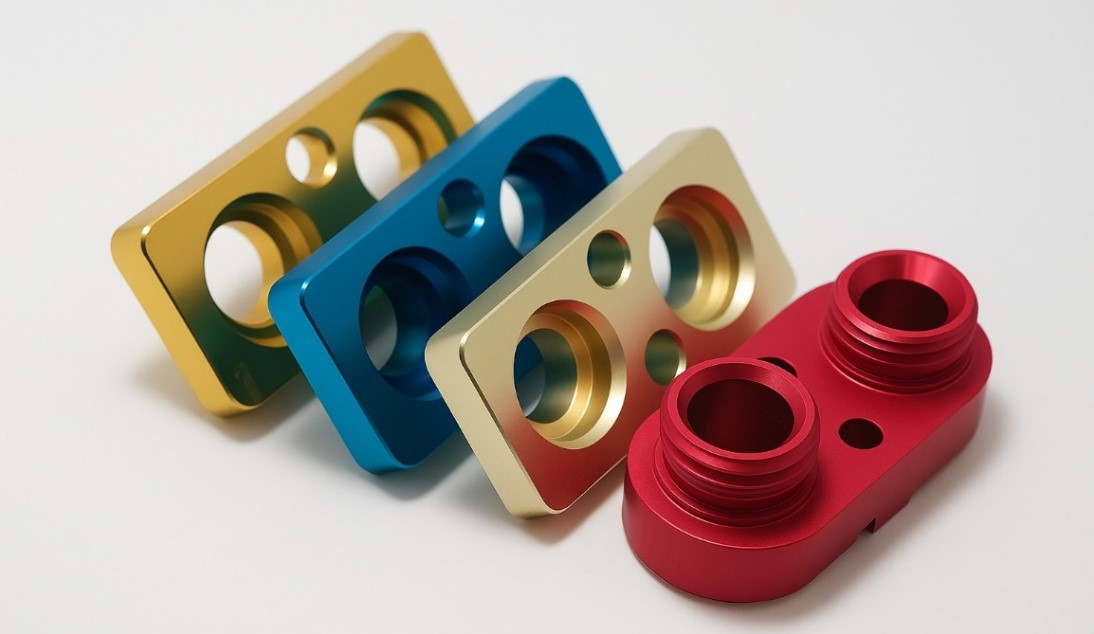
Anodising and Powder Coating at Bombay Metrics

Anodising: An electrochemical process that enhances the natural oxide layer on aluminum surfaces. It transforms the surface into a durable, corrosion-resistant, and wear-protective layer without altering mechanical properties. At Bombay Metrics, our anodising process ensures a perfect blend of technical precision and visual appeal.

Powder Coating: A dry finishing process where electrostatically charged pigment and resin particles are sprayed and heat-cured, forming a uniform, durable, and protective finish. It’s not just finishing — it’s performance engineering.

Shot Blasting: A controlled surface preparation method using abrasive media to clean, strengthen, or polish metal surfaces. Our automated systems ensure consistent surface treatment from small precision components to large structural elements.

“At Bombay Metrics, aluminum extrusion isn’t just a process — it’s a precision-driven art backed by engineering expertise. From material selection and die design to machining and surface finishing, we deliver end-to-end extrusion solutions that ensure strength, accuracy, and aesthetic excellence.”

“Our focus remains clear — to help customers achieve lightweight, durable, and cost-efficient designs that perform with reliability and style.”
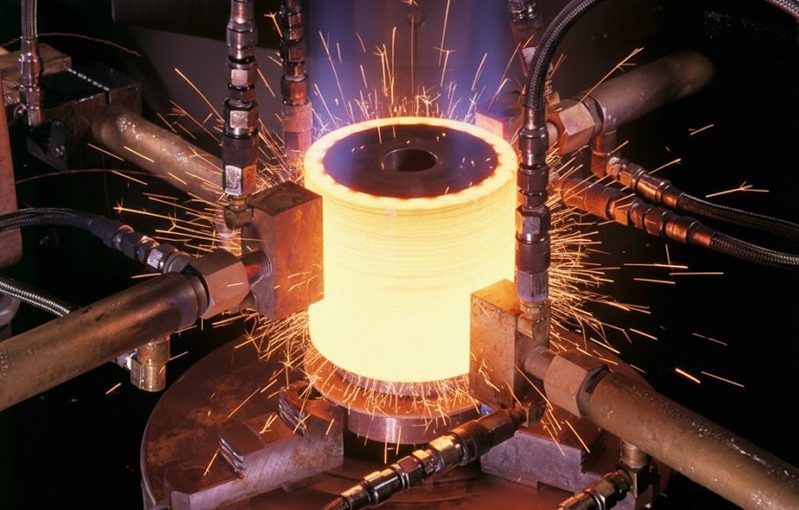
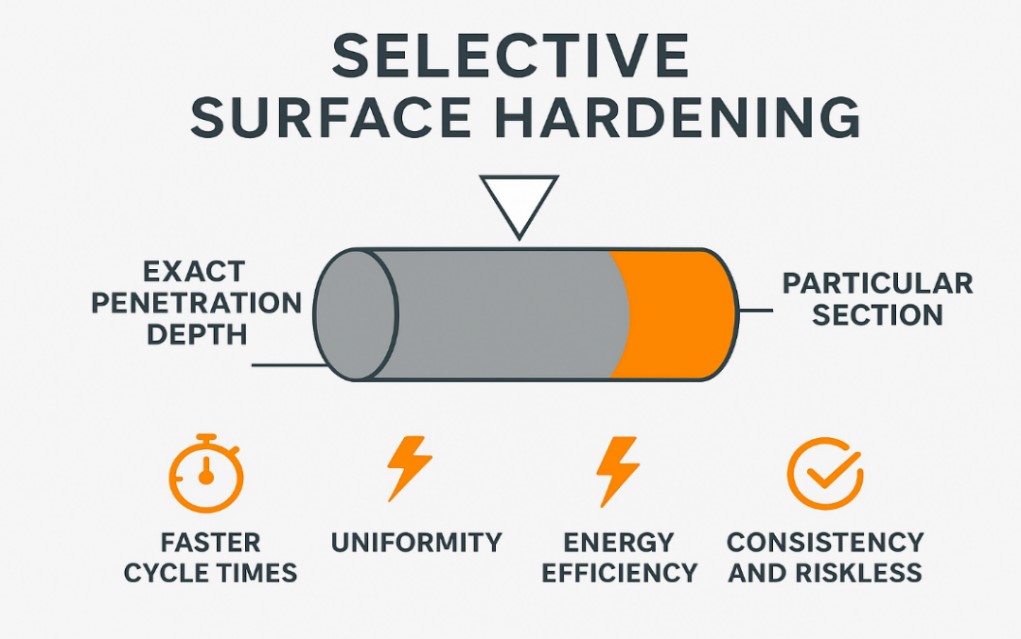
Smart and Optimum Hardening Solutions

Smart and Optimum Hardening Solutions

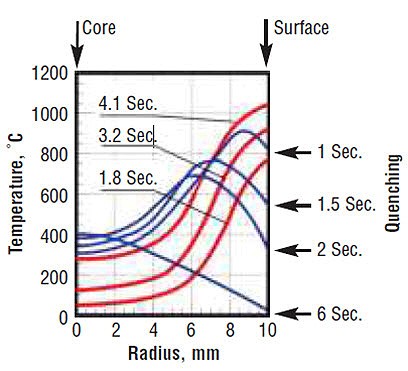
Induction Hardening: Heat treatment process plays a vital role in which metal parts with sufficient carbon content are rapidly heated to a high temperature by electromagnetic induction and immediately cooled. It is usually used for various steel and steel alloys to increase mechanical properties in a specific area, such as surface hardness, fatigue strength, and wear resistance. Compared to traditional heat-treating methods, induction hardening remains an effective way to produce hardened surfaces on parts quickly and accurately.

Induction Hardening can be employed at the required stage of part process over other fixed stage processes.

Enhanced Tool life and Optimum Tool Cost in HPDC – The Bombay Metrics Way

Induction Hardening Techniques

  • Single-Shot Hardening: The entire surface is heated and quenched in one go. Ideal for simple, symmetrical parts like gears.
  • Progressive (Scan) Hardening: The component moves through the coil, or the coil moves along the part. Commonly used for shafts and axles.
  • Spin Hardening: The part is rotated within the coil, making it suitable for rings or cylindrical components requiring uniform surface treatment.
  • Dual Frequency Hardening: Uses two frequencies simultaneously to heat both the surface and slightly deeper layers, ensuring a more gradual hardness transition.

Choosing the Right Hardening Technique for Your Component

Method Process Applications
Induction Hardening Surface heat treatment with electromagnetic field to rapidly heat specific areas of a metal part and quenching. Surface hardens keeping the core ductile. Shafts, gears, camshafts, axles, spindles, rollers, couplings — used in automotive, industrial, and heavy machinery.
Flame Hardening Heating the surface of a part with a high-temperature flame and quenching it to form a hard outer layer. Large gears, crankshafts, rails, machine ways, and heavy construction equipment parts.
Laser Hardening Uses a concentrated laser beam to heat and self-quench the metal surface, improving hardness and wear resistance. Precision parts, dies, cutting tools, molds, and aerospace components requiring fine surface control.
Electron Beam Hardening Electron beam in a vacuum to heat and self-quench a thin metal surface for enhanced hardness. Aerospace and defence components, turbine blades, and high-value precision parts.
Carburization (Case Hardening) The component is heated in a carbon-rich atmosphere, allowing carbon to diffuse into the surface to create a hard outer layer. Gears, bearings, camshafts, and components requiring deep case depth and wear resistance.
Nitriding Nitrogen is diffused into the surface of steel to enhance hardness, fatigue strength, and corrosion resistance without quenching. Crankshafts, valves, dies, extrusion screws, and engine parts exposed to heat and wear.

Induction hardening is ahead for its speed, precision, and repeatability. Processes like flame hardening and laser hardening are often considered its closest equivalents in terms of surface hardening with thermal analysis relevance.

Enhanced Tool life and Optimum Tool Cost in HPDC – The Bombay Metrics Way

Thermal Analysis for Induction Hardening and Others

How Bombay Metrics Tackles Challenges in Induction Hardening

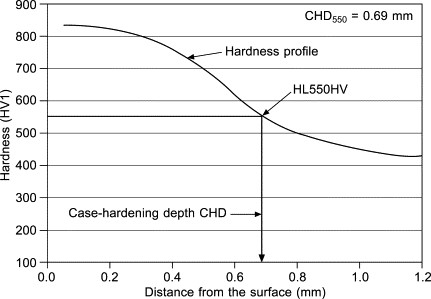
Achieving Precise Case Depth and Hardness for Complex Geometries: We utilize advanced, automated induction hardening machines with sophisticated power control. Our metallurgists and engineers program these machines to deliver precise amounts of energy to the workpiece for the exact duration required.

Enhanced Tool life and Optimum Tool Cost in HPDC – The Bombay Metrics Way

We conduct a detailed metallurgical analysis of each part to determine the optimal frequency, power, and coil design, ensuring a uniform and consistent hardened layer every time.

Enhanced Tool life and Optimum Tool Cost in HPDC – The Bombay Metrics Way

Battling Distortion and Warping: We employ a combination of process control and innovative tooling to minimize distortion. Our engineers design custom fixtures and jigs to hold the parts securely during the process.

We use controlled quenching methods and specialized media to manage the cooling rate, which helps mitigate internal stresses and prevent unwanted warping. For parts that are highly susceptible to distortion, we may incorporate pre-process stress-relieving treatments.

Mitigating the Risk of Cracking: Our process begins with a meticulous analysis and selection of material at the initial stage. Suitable corroboration among the stakeholders ensures the base material is appropriate for induction hardening.

The quenching process involves selecting the ideal medium (e.g., polymer solution, water, or oil) and flow rate to cool the part effectively without creating excessive stress.

Managing Equipment Investment: For smaller operations, we suggest considering cloud-based simulation platforms to test and refine induction strategies before investing in physical equipment—reducing trial-and-error and capital risk.

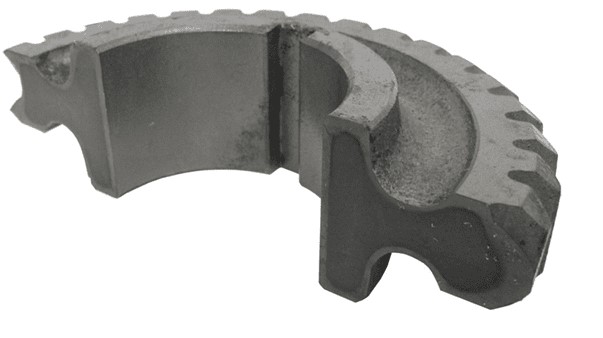
Selective Hardening: Very few heat treatment processes can achieve selective hardening with no masking required. Any areas of post-welding or post-machining on a metal component will stay soft after induction hardening.

Works with Low-Cost Steels: Low-cost steels are ideal for induction hardening. This readily machinable, low-cost material responds well to induction heating with minimal risk of cracking.

Flexibility: Metal parts can easily be tempered after induction hardening, allowing flexibility to adjust hardness levels as desired. Since the heat treatment results in a martensitic structure, the metal can be tempered to reduce hardness without causing brittleness.

Bombay Metrics’ Proficiencies in Induction Hardening

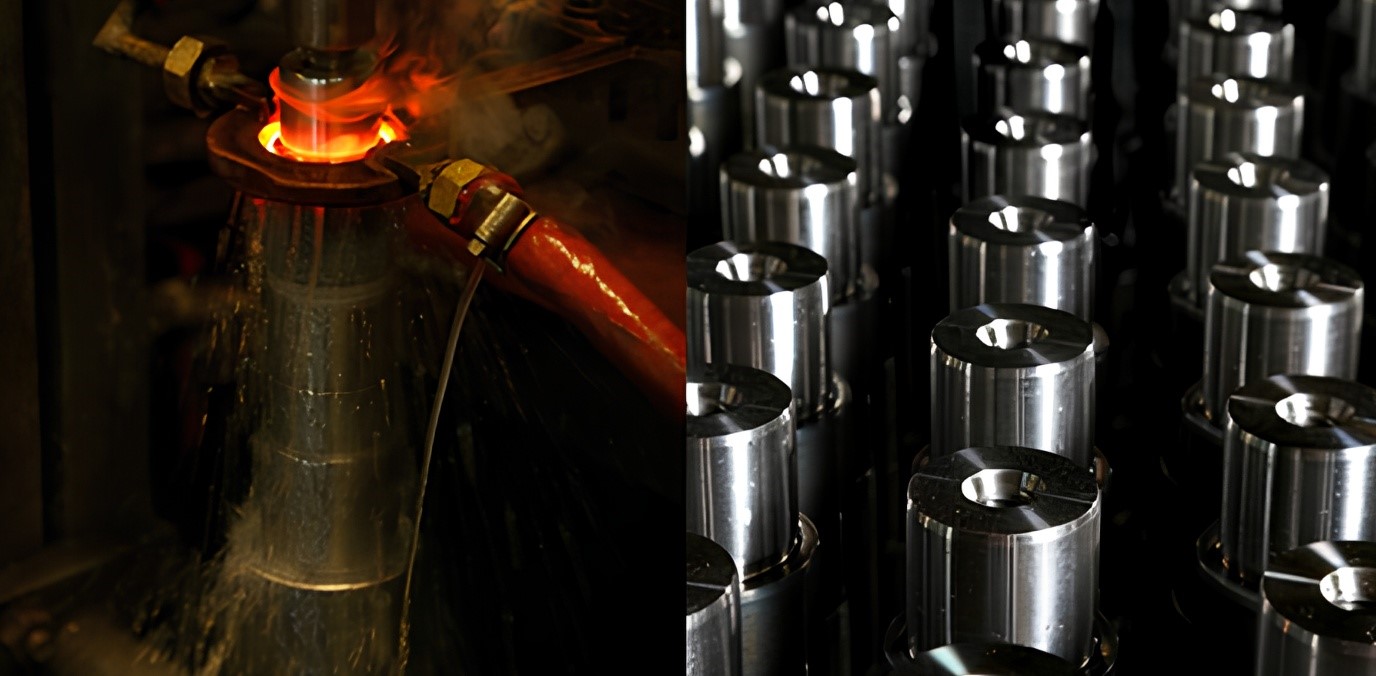
At Bombay Metrics, we bring in state-of-the-art equipment and expert engineering practices to ensure optimum results in every induction hardening project.

  • Customized Process Design: We tailor heating cycles and quenching methods based on product requirements.
  • Quality Assurance: Advanced inspection techniques like hardness testing, microstructural analysis, and dimensional verification.
  • Industry-Specific Applications: We deliver hardened parts that meet stringent global standards—from automotive shafts and cam components to heavy-duty gears.
  • Sustainability: By using precise, energy-efficient induction systems, we support greener manufacturing practices.

“At Bombay Metrics, we combine advanced technology with deep engineering knowledge to deliver reliable induction hardening solutions that meet the unique needs of our customers. By focusing on quality, efficiency, and long-term performance, we ensure that every part we produce is built to withstand demanding applications while offering maximum value to our clients.”

Enhanced Tool life and Optimum Tool Cost in HPDC – The Bombay Metrics Way

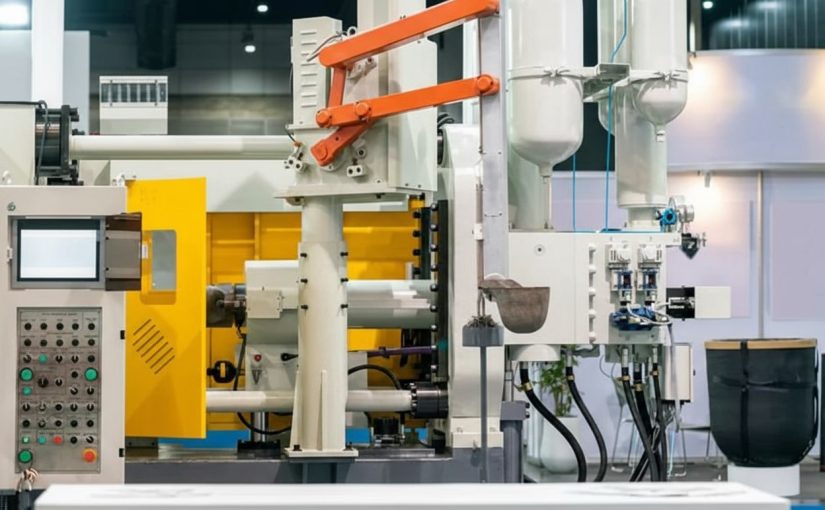
High Pressure Die Casting (HPDC) comes ahead as one of the most dependable and fast production
processes for manufacturing high-volume metal components that are net-shaped and maintain tight tolerances at an
affordable cost. The process involves injecting molten metal alloy under high pressure into a precision die to
achieve accurate and repeatable results.

At Bombay Metrics, we have built our reputation on mastering both Hot and Cold Chamber Die
Casting
. This dual expertise allows us to offer an unparalleled range of solutions—whether for small
intricate parts or large structural components—ensuring each client receives the ideal process for their specific
needs.

6 Pillars That Drive Precision in HPDC

  • Wall Thickness: Refers to the thickness of the metal walls that form the part. It is a key
    design factor that directly impacts metal flow and solidification.
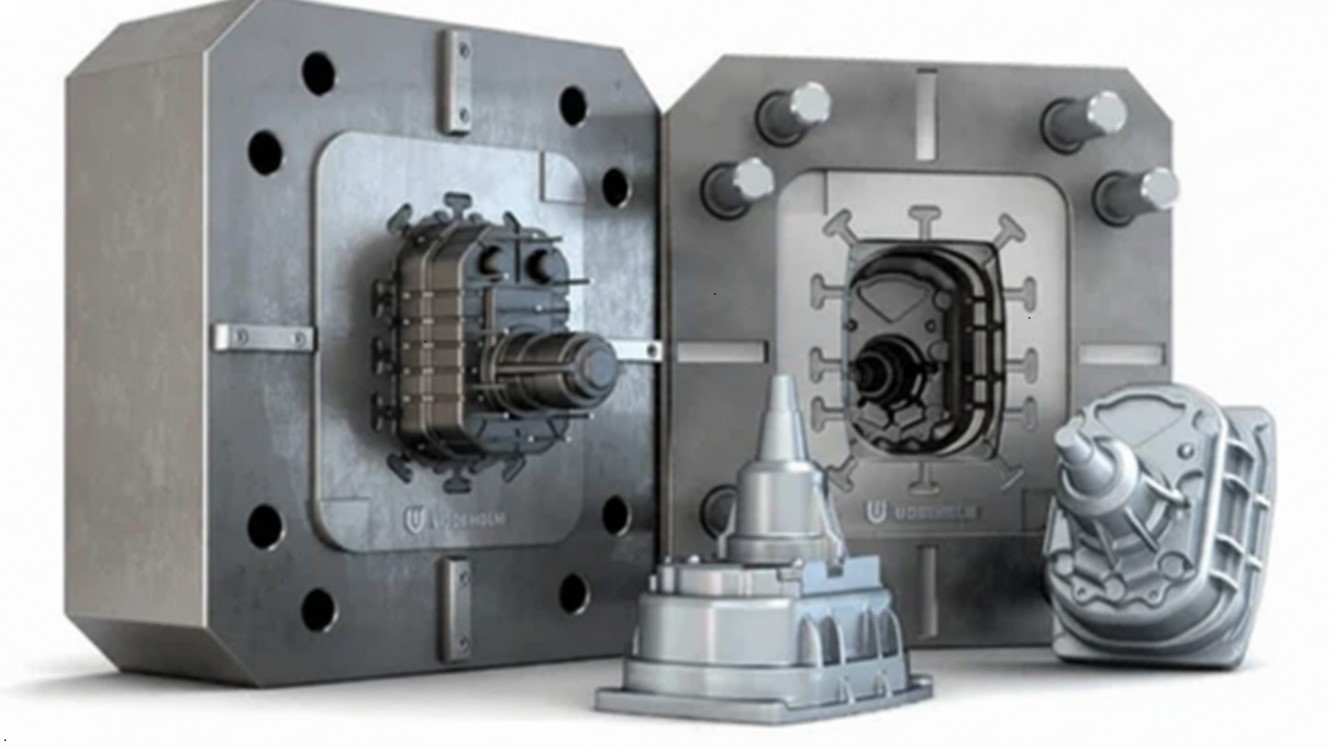
  • Parting Line: The line or surface where the two halves of the die (cover die half and
    ejector die half) meet. It defines the separation point of the mold cavity.
  • Draft Analysis: Ensures smooth part ejection without sticking, tearing, or damaging the
    surface. At Bombay Metrics, draft angles are systematically analyzed for optimal results.
  • Holes and Windows: Properly designed holes and windows serve as ventilation, drainage, or
    integration points. We ensure accurate diameter, depth, and location to prevent defects or functional
    issues.
  • Ribs: Designed carefully to provide rigidity and strength without adding excess weight or
    cost. Ribs enhance structural performance and reduce distortion.
  • Fillet Radii: The rounded curve at the intersection of two walls helps avoid sharp corners,
    improving both performance and flow characteristics.

The Essential External Processes That Make HPDC Successful

At Bombay Metrics, tonnage calculation is carefully applied to:

  • Select the right HPDC machine (e.g., 250T, 400T, 800T, 1200T) based on part size.
  • Formula: Clamping Force = (Overall Projected Area × Specific Injection Pressure × Factor of
    Safety) / 1000
  • Prevent defects such as flashing, short filling, or dimensional inaccuracy.
  • Optimize machine utilization by avoiding under-tonnage (leakage risk) or over-tonnage (higher energy cost).
  • Ensure consistent quality for automotive, aerospace, and industrial aluminum components.

Bombay Metrics uses simulation tools and DFM analysis to calculate accurate tonnage requirements
before production begins—ensuring efficiency, precision, and consistent quality.

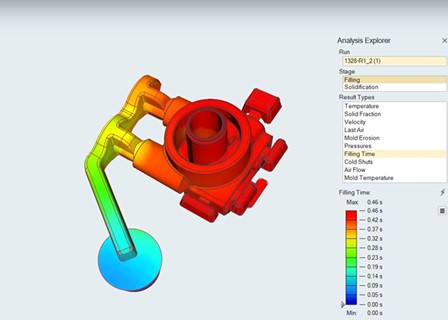
Flow Simulation

At Bombay Metrics, the flow simulation tool is an integral part of the Design for Manufacturability
(DFM)
stage. It is used to:

  • Validate die design before tool manufacturing.
  • Optimize injection parameters such as temperature, velocity, and pressure.
  • Reduce rejections by predicting potential issues early in the design phase.
  • Ensure cost-effectiveness by minimizing material waste and tool rework.
  • Collaborate transparently with clients by sharing simulation reports to build confidence in product quality.

By combining simulation technology with real-world expertise, Bombay Metrics
ensures that every aluminum die-cast component meets global standards of quality, reliability, and performance.

Working of 5 Axis screw Machining | Bombay Metrics

Die Design Process to Meet Market Trends

  • Optimized Design: Collaboration with clients ensures that each design is compact, sturdy,
    and cost-effective, fulfilling functional requirements within target timelines.
  • Enhanced Manufacturability (DFM Integration): Potential risks in tool and product
    manufacturing are identified and mitigated before launch.
  • Optimized Flow and Thermal Management: Advanced simulations help achieve the best gating,
    runner, and cooling system for consistent quality.
  • Advanced Engineering Tools: Use of CAD/CAM and simulation software enables highly precise
    die modeling and performance prediction.
  • Flexible Volume Production Readiness: Dies are designed for durability and repeatability,
    supporting scalable manufacturing with minimal downtime.
  • Precision and Global Quality Compliance: Our products meet stringent global standards
    across sectors like automotive, aerospace, lighting, e-mobility, and energy.
Working of 5 Axis screw Machining | Bombay Metrics

Comprehensive Solutions and Technical Support by Bombay Metrics

At Bombay Metrics, we go beyond manufacturing by providing value-added support in tool
development and tool life management
. To meet diverse client needs, we offer flexible options balancing
cost, durability, and production requirements:

  • 25K Shots: Economical option ideal for low-to-medium production volumes.
  • 50K Shots: Balanced solution offering extended tool life for consistent, medium-scale
    production.
  • 100K Shots: Premium solution designed for long-term, high-volume production with maximum
    durability and efficiency.

By offering these tailored options, we help customers choose the most cost-effective tooling
solution
aligned with their production goals — ensuring optimized investment, longer tool performance,
and improved profitability.

“Bombay Metrics provides end-to-end flexibility, ensuring clients get the most suitable
manufacturing solution for their material, design, and performance requirements. With our commitment to
global quality standards, sustainable manufacturing, and customer-focused innovation, we deliver parts that
combine strength, precision, and efficiency — meeting business needs for Pressure Die Casting Dies on time,
every time.”